Dog Protein Calculator
Use our Dog Protein Calculator to determine the appropriate amount of protein for your dog’s diet. Enter your dog’s weight, age, and activity level to get a tailored recommendation on the right protein intake.
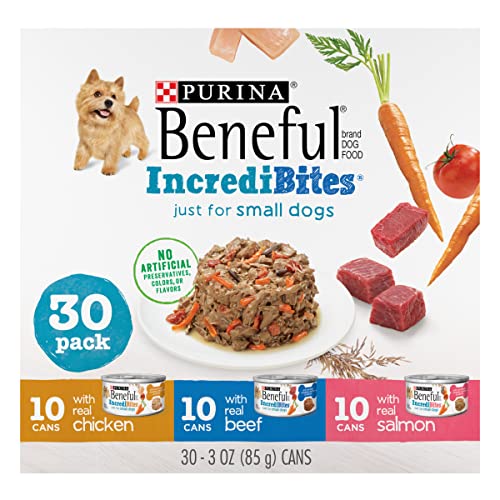
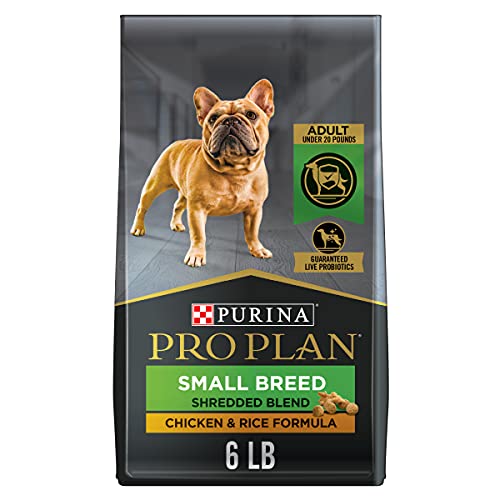
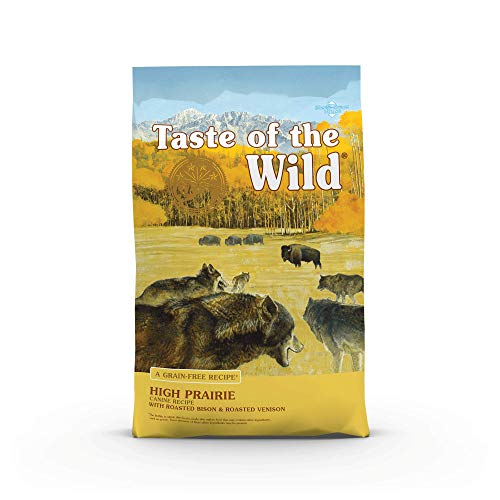
List of the Top 10 Best Dog Food:





What Is a Dog Protein Calculator?
A Dog Protein Calculator estimates how many grams of protein your dog needs each day based on body weight, age, and activity level. Instead of guessing from a bag label, the calculator converts your dog's daily calorie needs into a target protein range in grams — then helps you check whether your current food actually delivers that amount.
Protein is one of the most important nutrients in a dog's diet. It supplies the essential amino acids needed for muscle maintenance, tissue repair, immune function, skin and coat health, and enzyme and hormone production.
How the Dog Protein Calculator Works
Our calculator follows the same two-step approach used by veterinary nutritionists:
- Estimate daily calories: Resting Energy Requirement (RER) = 70 × (body weight in kg)0.75, then multiply by a life-stage and activity factor to get Maintenance Energy Requirement (MER).
- Convert calories to protein grams: Most healthy adult dogs do well when 20–30% of daily calories come from protein. Puppies and highly active dogs sit at the higher end; seniors and less active dogs at the lower end.
On average, protein provides about 3.5 kcal per gram. That means a dog needing 700 kcal per day with a 25% protein target requires roughly 50 g of protein daily. The calculator does this math for you and returns a practical daily range.
Daily Protein Requirements for Dogs by Life Stage
The table below summarizes the general dog protein requirements used by our calculator. These are starting points — individual dogs may need more or less.
| Life Stage | Protein % of Calories | Approx. g per 10 lbs body weight | Notes |
|---|---|---|---|
| Puppy (0–1 year) | 25–32% | 10–14 g | Higher needs for growth; AAFCO minimum 22% dry matter |
| Adult (1–7 years) | 20–28% | 7–10 g | Maintenance; AAFCO minimum 18% dry matter |
| Senior (7+ years) | 22–30% | 7–10 g | Often higher quality protein to preserve muscle mass |
| Active / Working Dog | 28–35% | 10–15 g | Supports muscle repair and endurance |
Factors That Change Your Dog's Protein Needs
1. Body Weight and Lean Mass
Larger and more muscular dogs need more total protein, but requirements scale with metabolic body weight, not just scale weight. A 90 lb dog does not need nine times the protein of a 10 lb dog.
2. Age and Life Stage
- Puppies: rapid growth demands more protein and a specific amino acid profile
- Adults: steady maintenance requirements
- Seniors: modern veterinary guidance favors adequate or higher high-quality protein to prevent age-related muscle loss (sarcopenia), not restriction
3. Activity Level
Working dogs, sled dogs, and canine athletes can require 1.5–2× the protein of a typical pet. Sedentary dogs need the least.
4. Health Conditions
Dogs with kidney disease, liver disease, pancreatitis, or food allergies may need a prescription protein level. Never adjust protein for a medical condition without veterinary guidance.
5. Pregnancy and Nursing
Pregnant and lactating dogs have some of the highest protein demands of any life stage — often 1.5–3× maintenance.
How to Check If Your Dog's Food Meets the Target
Once the calculator gives you a daily protein target in grams, compare it to your dog's food label:
- Find the crude protein % in the Guaranteed Analysis
- Convert to dry matter basis for fair comparison: Dry Matter Protein % = Crude Protein % ÷ (100 − Moisture %)
- Estimate grams per cup or can using calorie content and the protein percentage
- Multiply by daily servings and compare to the calculator's target
If the food falls short, choose a higher-protein formula or adjust portion size — never simply add table scraps.
Best Protein Sources for Dogs
| Source | Type | Notes |
|---|---|---|
| Chicken, turkey | Animal | Lean, highly digestible, common base protein |
| Beef, lamb | Animal | Rich in iron and B vitamins; higher fat in some cuts |
| Fish (salmon, whitefish) | Animal | Omega-3s support skin, coat, and joints |
| Eggs | Animal | Complete amino acid profile; high biological value |
| Liver and organ meats | Animal | Nutrient-dense; feed in moderation |
| Soy, lentils, chickpeas | Plant | Useful in vegetarian or hypoallergenic formulas; combine for complete amino acids |
Common Mistakes When Feeding Protein
| Mistake | Problem | Solution |
|---|---|---|
| Judging protein by % on the bag only | Wet food looks low in protein but is high on a dry matter basis | Always compare on a dry matter basis |
| Restricting protein for all senior dogs | Accelerates muscle loss | Feed adequate high-quality protein unless a vet advises otherwise |
| Assuming more protein is always better | Can worsen kidney or liver disease | Match protein to life stage and health status |
| Ignoring calories | Protein target missed even with high-protein food | Balance calories and protein together |
| Sudden diet changes | Digestive upset | Transition over 7–10 days |
Frequently Asked Questions About Dog Protein
How much protein does my dog need per day?
Most healthy adult dogs need roughly 2–3 g of protein per pound of body weight per day, or about 20–28% of daily calories. Puppies, pregnant dogs, and working dogs need more; sedentary seniors need the lower end. Use the calculator above for a personalized number.
Is high-protein dog food bad for dogs?
For healthy dogs, higher protein is generally safe and often beneficial. Protein restriction is only appropriate for specific medical conditions such as advanced kidney or liver disease, and only under veterinary supervision.
Do senior dogs need less protein?
Current veterinary consensus is the opposite: senior dogs often benefit from adequate to higher high-quality protein to preserve muscle mass and immune function. Only restrict protein if your veterinarian recommends it for a diagnosed condition.
What is the AAFCO minimum protein for dog food?
AAFCO sets minimums on a dry matter basis: 22% for growth and reproduction (puppies and pregnant/nursing dogs) and 18% for adult maintenance. These are minimums, not optimal targets.
How do I convert protein % to grams?
Estimate grams of protein per cup: multiply the food's protein percentage by the grams of food per cup. For example, a 25% protein kibble at 100 g per cup delivers about 25 g of protein per cup. Always use dry matter basis for fair comparison.
Can I feed my dog a plant-based or vegetarian diet?
It's possible but requires careful formulation to ensure all essential amino acids are present. Use our Homemade Dog Food Calculator and consult a veterinary nutritionist.
Related Dog Nutrition Tools
- Dog Food Calculator — total daily portions
- Dog Calorie Calculator by Breed — calorie targets
- Raw Dog Food Calculator — raw diet ratios
- Homemade Dog Food Calculator — home-cooked meals
- Dog Food Calculator by Weight — portion by weight
- Senior Dog Calorie Calculator — older dog needs
- Dog BMI Calculator — body condition check
When to Consult Your Veterinarian
This Dog Protein Calculator is an educational tool. Always consult your veterinarian before changing your dog's protein intake if your dog has kidney disease, liver disease, pancreatitis, food allergies, is pregnant or nursing, or is a growing large-breed puppy. Your vet can confirm the right protein level using your dog's full health history and lab work.